Interactive Chicken Meal Prep & Batch Calculator
Calculate exact raw grocery purchase weight, batch cooking yield, per-meal macros, and shelf life.
Meal Prep Strategy for Boneless Skinless Chicken Breast
Leanest protein-to-calorie ratio (31g protein / 165 kcal). Most vulnerable to microwave drying; must be sliced across the grain after resting and reheated with steam traps.
The 1.38x Formula: Why Raw Chicken Always Weighs More
During oven baking or skillet searing, chicken breast expels 25% to 30% of its initial weight in intracellular water. To end up with 750g cooked chicken, you cannot buy 750g raw. Multiply your desired cooked output by 1.38 to determine your grocery store purchase:750g × 1.38 = 1035g (2.28 lbs) raw.
The Science of Chicken Meal Prep: Freshness, Moisture & Safety
Why does meal-prepped chicken taste dry and metallic on Wednesday? Here is how thermal shrinkage, lipid oxidation, and the bacterial cooling curve govern weekly meal planning.
Logging 150g cooked chicken as raw underestimates intake by ~70 calories and 13g protein per meal due to water loss.
Heat releases free iron ions that oxidize cell membranes. Glass seals and polyphenol marinades halt oxidation.
High microwave bursts boil water out of muscle cells. Low power with ambient broth steam rehydrates protein fibers.
Psychrotrophic bacteria slowly multiply even at 38°F. Consume refrigerated prep within 4 days; freeze the rest.
1. Free-Iron Lipid Oxidation
Cooking breaks open hemoproteins, spilling free catalytic iron (Fe2+) into muscle tissue. Over 48 hours, this iron catalyzes rapid oxidative degradation of polyunsaturated fatty acids. Acidic citrus and polyphenol herbs (rosemary, thyme, oregano) act as chelators that bind iron and preserve freshly cooked flavor.
2. Sarcoplasmic Purge Kinetics
Once cooked, chicken breast proteins hold less bound water. Blasting cold chicken on 100% microwave power rapidly boils intracellular water, bursting cell walls and leaving rubbery chalk. Reheating at 50% power allows heat conduction to warm the core evenly while trapping broth steam.
3. The Two-Stage Cooling Curve
Putting hot chicken into closed containers produces lid condensation that drips back down, creating a high-moisture breeding zone for bacteria. Let cooked chicken rest on an open wire rack for 20 minutes to drop past 140°F, then containerize and chill in the fridge with lids cracked for 30 minutes before sealing.
Master Cut-by-Cut Chicken Meal Prep Reference Chart
Purchase multipliers, cooked yields, refrigerator lifespans, batch cooking methods, and reheat techniques across all 8 poultry cuts.
| Cut | Raw Multiplier | Cooked Yield | Fridge Life | Batch Method | Reheat Temp | Meal Prep Notes & Rationale |
|---|---|---|---|---|---|---|
Boneless Skinless Chicken Breast White Meat · Lean | 1.38x Raw grocery factor | 72.5% Post-shrinkage | 3–4 Days Below 40°F | Oven Bake at 400°F Best uniform cooking | 165°F USDA FSIS core | Moisture retention:Leanest protein-to-calorie ratio (31g protein / 165 kcal). Most vulnerable to microwave drying; must be sliced across the grain after resting and reheated with steam traps. |
Bone-In Skin-On Split Breast White Meat · Skin-On | 1.85x Raw grocery factor | 54% Post-shrinkage | 3–4 Days Below 40°F | Roast at 375°F Best uniform cooking | 165°F USDA FSIS core | Juicy bone-in yield:Bone and skin retain 15% more internal moisture during batch roasting. Remove bones after cooling to calculate true edible macros for your food log. |
Boneless Skinless Chicken Thighs Dark Meat · Juicy | 1.33x Raw grocery factor | 75% Post-shrinkage | 3–4 Days Below 40°F | Bake at 400°F or Slow Cooker Best uniform cooking | 165°F USDA FSIS core | Forgiving reheat:The king of meal prep cuts. Higher intramuscular fat (8.0g) and collagen ensure meat remains succulent and tender even on Day 4 of weekly meal prep. |
Bone-In Skin-On Chicken Thighs Dark Meat · Collagen Rich | 1.90x Raw grocery factor | 52% Post-shrinkage | 3–4 Days Below 40°F | Roast at 425°F on wire rack to crisp skin Best uniform cooking | 165°F USDA FSIS core | Crispy skin revival:Economical bulk cut ($1.79–$2.49/lb). Bone tare weight averages 28%–32%. Avoid microwaving if you want crispy skin; use an air fryer or toaster oven. |
Chicken Wings (Drumettes & Flats) Dark Meat · High Skin | 2.10x Raw grocery factor | 48% Post-shrinkage | 3–4 Days Below 40°F | Bake at 425°F Best uniform cooking | 165°F USDA FSIS core | High skin-to-meat ratio:Over 50% tare weight from bones and cartilage. Highest collagen and subcutaneous fat. Reheat in convection air fryer to shatter-crisp rather than steam in microwave. |
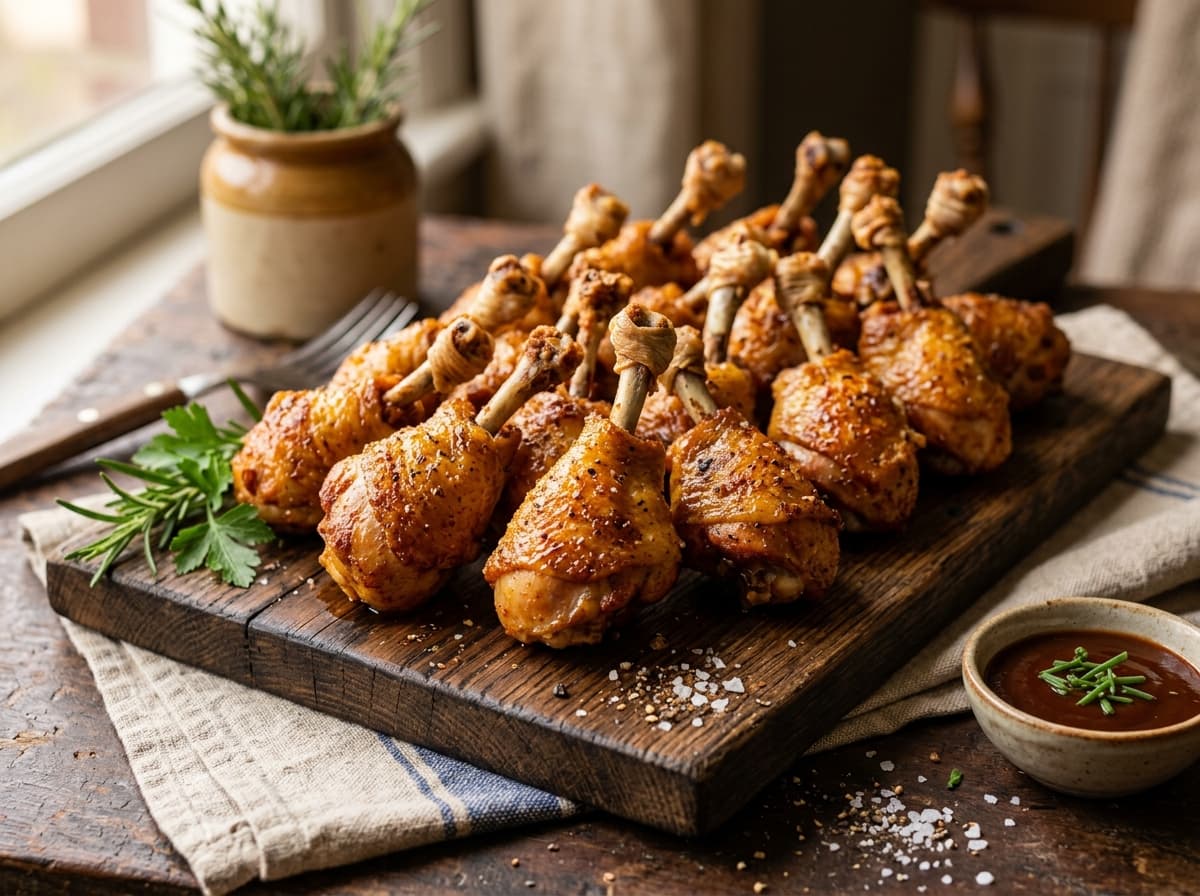
Chicken Drumsticks Dark Meat · Pin Tendons | 2.05x Raw grocery factor | 49% Post-shrinkage | 3–4 Days Below 40°F | Sheet Pan Roast at 400°F Best uniform cooking | 165°F USDA FSIS core | Budget protein king:Ultra-budget-friendly ($1.29–$1.99/lb). Higher tendon collagen dissolves above 180°F, leaving meat pull-apart tender for weekly grab-and-go gym meals. |
Lean Ground Chicken (Patties & Meatballs) Ground Poultry · Uniform Core | 1.30x Raw grocery factor | 77% Post-shrinkage | 3–4 Days Below 40°F | Bake meatballs on sheet pan at 400°F Best uniform cooking | 165°F USDA FSIS core | Fast portion division:Zero bone waste (100% edible). Easy to weigh raw into precise 100g/150g burger patties or meatballs before baking. Higher surface area requires airtight sauce encapsulation. |
Whole Roast Broiler Chicken Whole Bird · Dual Zone | 2.30x Raw grocery factor | 43.5% Post-shrinkage | 3–4 Days Below 40°F | Spatchcock Roast at 425°F Best uniform cooking | 165°F USDA FSIS core | Maximum culinary yield:Yields both white and dark meat plus bones for homemade collagen broth. Carve entire bird on Day 1, bag bones for stock pot, and divide breast and thigh portions separately. |
The 1.38x Breast Rule
Boneless skinless chicken breast loses ~27.5% of its weight. Always purchase 38% more raw meat than your target cooked meal macros. Reheat with 50% microwave power and a damp paper towel.
The Thigh Day-4 Advantage
Boneless thighs retain 75% cooked yield with 8g of natural intramuscular fat. They resist reheating dryness, making thighs the most culinary forgiving choice for Thursday/Friday meal boxes.
The 4-Day Refrigerator Cap
Never eat refrigerated poultry on Day 5+. Psychrotrophic spoilage organisms survive at 38°F. Freeze portions intended for Friday/Saturday immediately after Wednesday, and thaw overnight.
The 5-Step Masterclass: How to Meal Prep Chicken Like a Pro
Follow this precise culinary workflow to streamline grocery shopping, guarantee food safety, and keep chicken juicy from Sunday to Thursday.
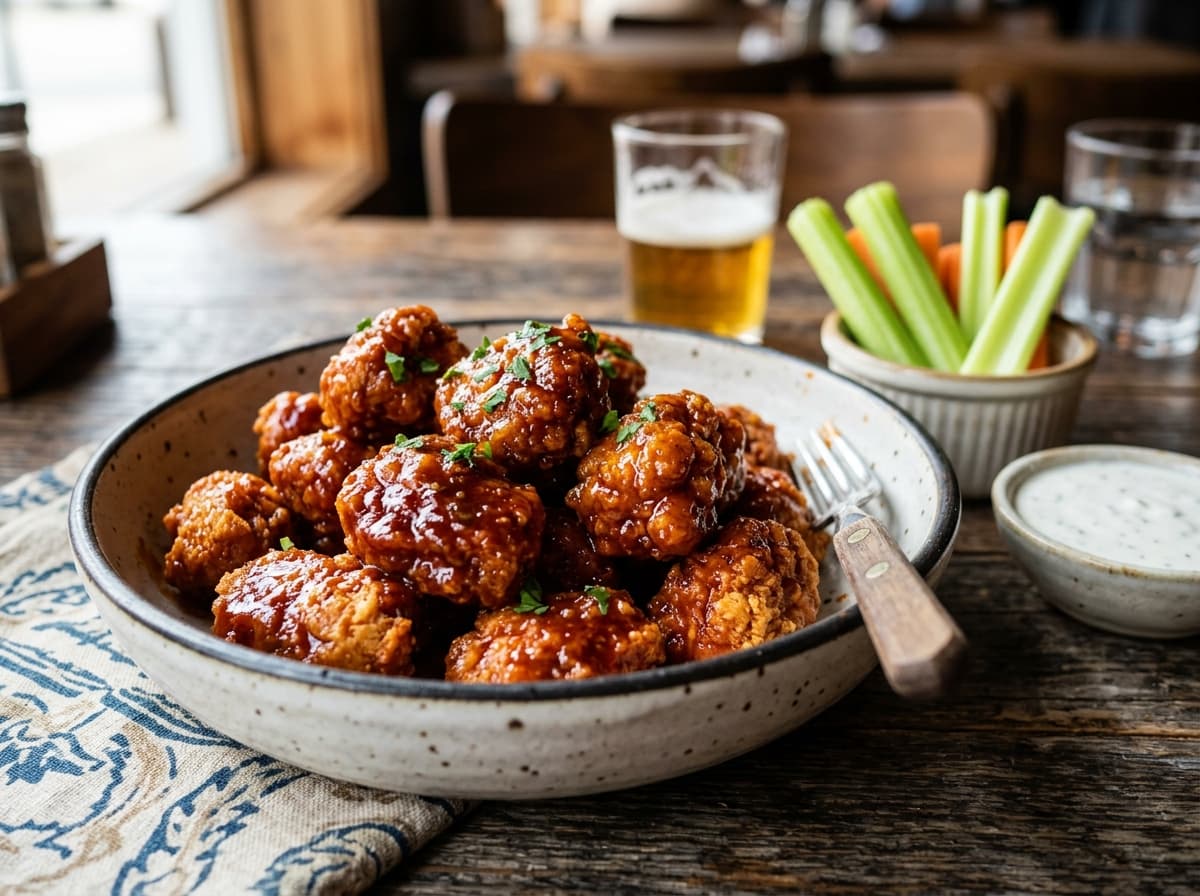
Raw Purchase & Weighing
Weigh all raw chicken on your digital scale before seasoning. Calculate total raw calories and protein. This establishes your unshakeable macro foundation.
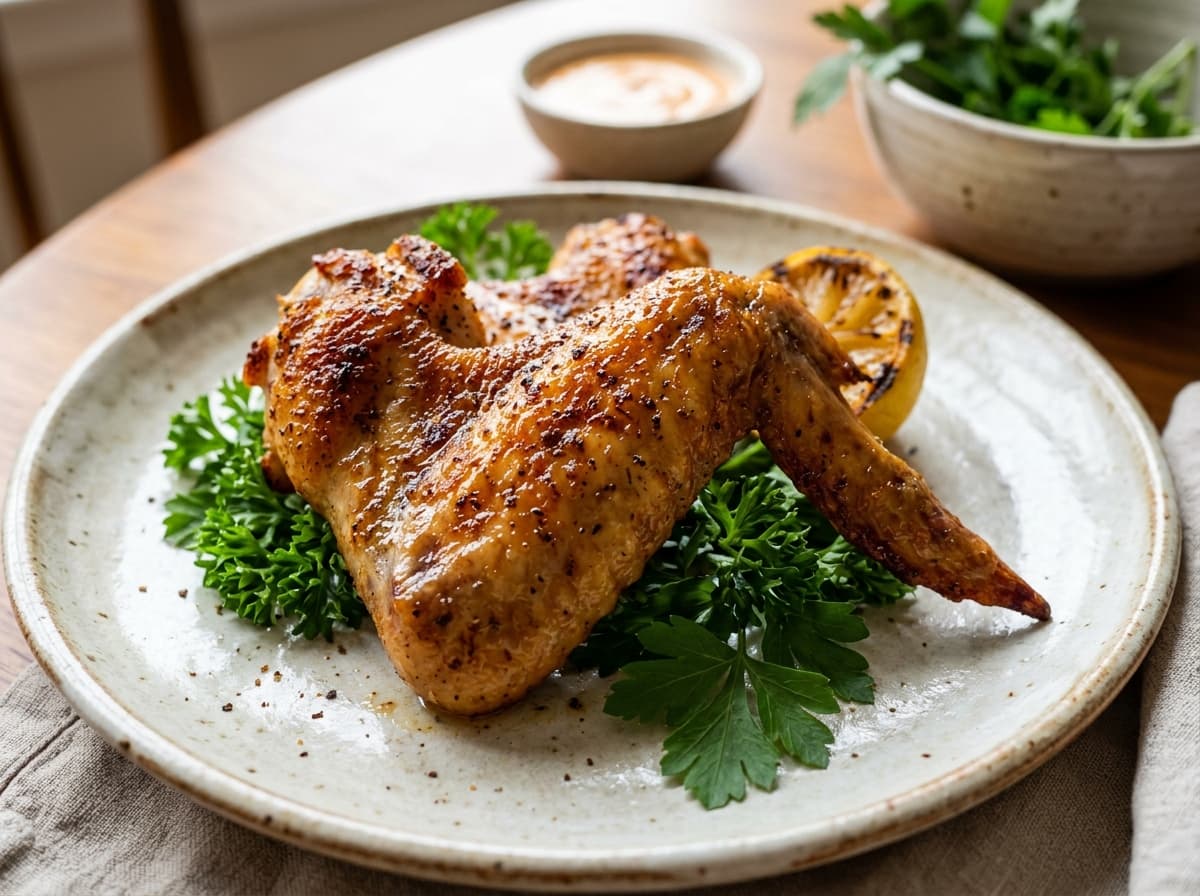
Batch Sheet-Pan Roasting
Arrange cutlets on parchment-lined baking sheets with 1-inch spacing. Bake at 400°F (204°C). Pull breasts at 160°F and dark meat at 175°F–180°F.
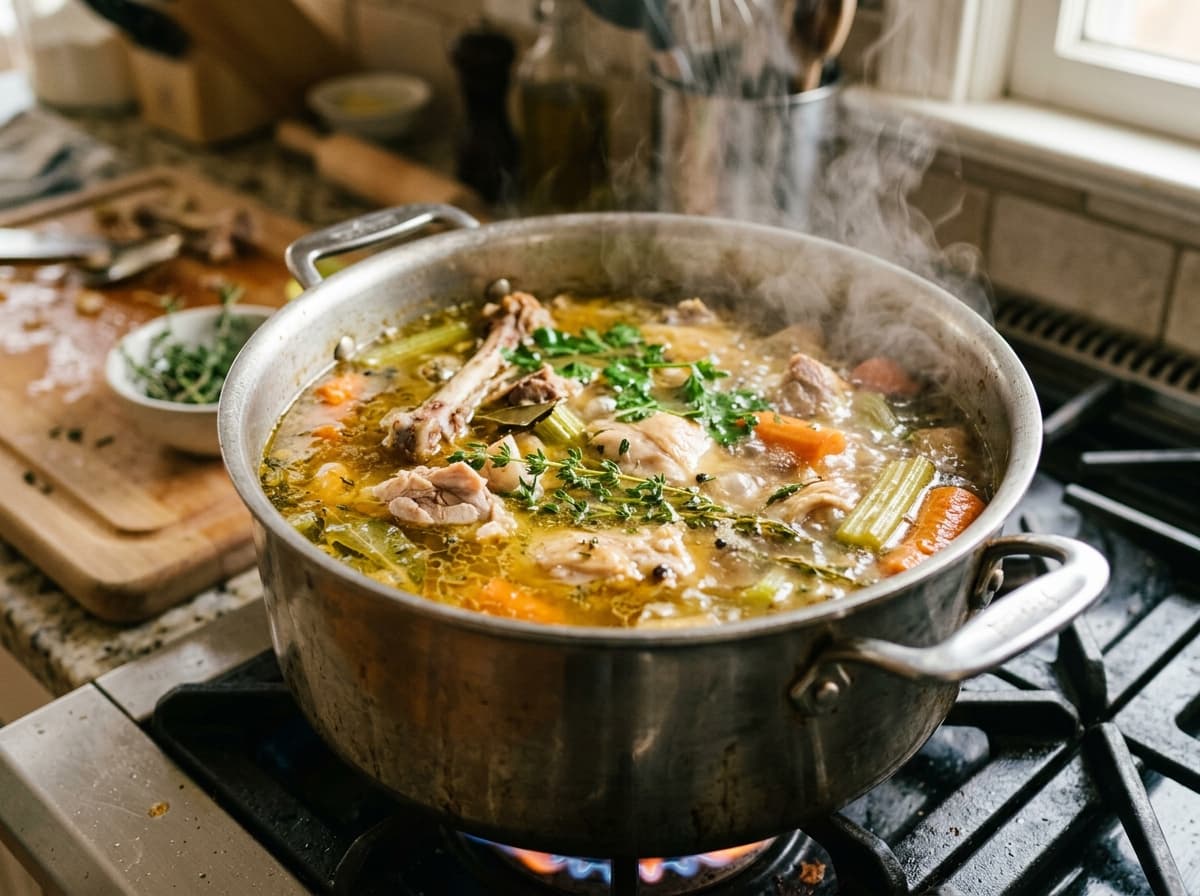
Open-Rack Rapid Cooling
Rest chicken uncovered on a cutting board for 20 minutes to drop past 140°F. Never seal steaming chicken into containers — condensation creates bacterial slime.
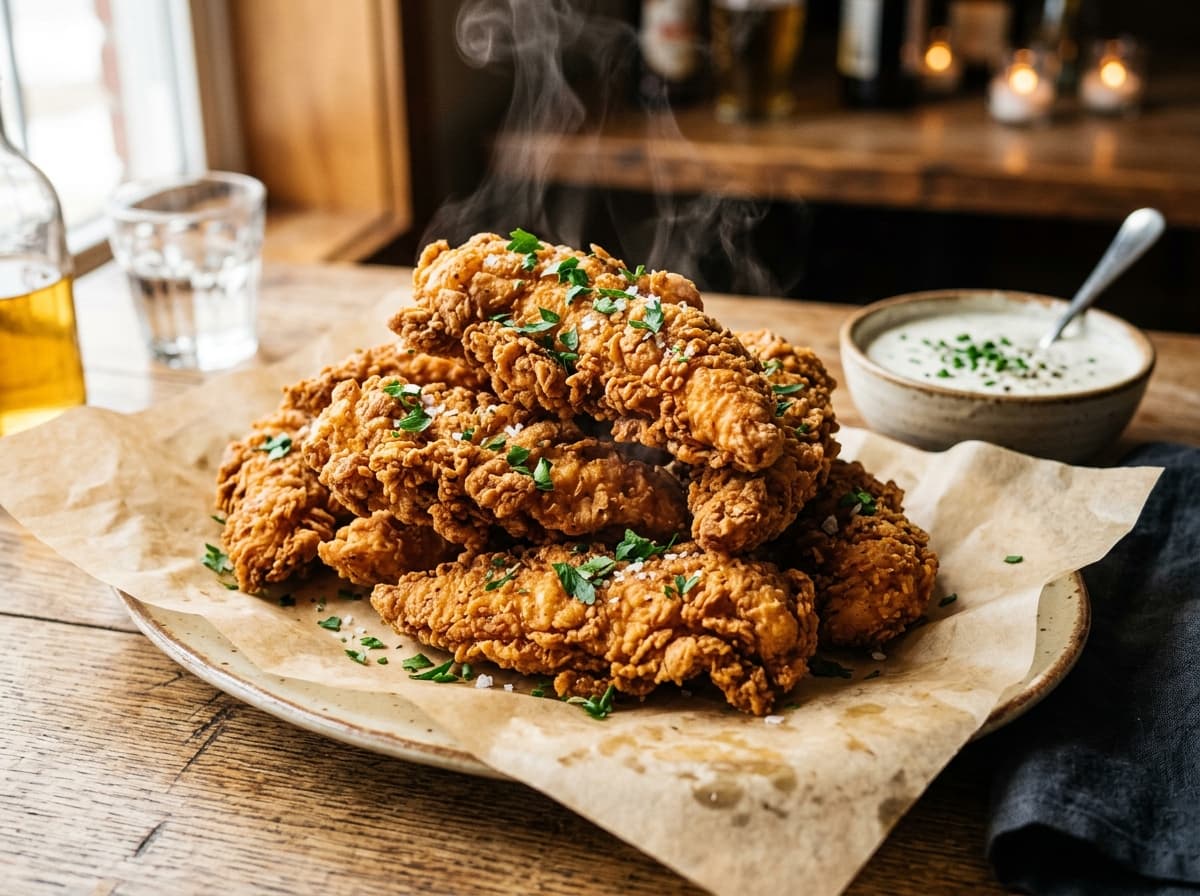
Glass Airtight Division
Weigh your total cooked batch on the scale. Divide evenly into borosilicate glass containers with silicone seals. Non-porous glass halts lipid oxidation (WOF).
The 165°F Gentle Reheat
Splash 1 tablespoon of chicken broth or water over meat, drape a damp paper towel on top, and microwave at 50% power for 90–120s to achieve a juicy 165°F core.
How to Accurately Log Meal Prep Chicken: Raw vs. Cooked
Weighing chicken incorrectly causes thousands of dieters to unknowingly under-eat protein or over-consume calories by 25%–30%. Here is the exact mathematical protocol to follow.
Total Raw Batch Math ÷ Number of Meals
- Weigh total raw poultry: Place your raw chicken breast on the scale (e.g., 1,000g raw chicken).
- Calculate total recipe macros: 1,000g raw breast = 1,200 kcal, 225g protein, 26g fat.
- Cook and weigh final batch: Suppose the cooked weight is 725g total.
- Divide evenly into 5 containers: Place 145g of cooked chicken into each meal box (725g ÷ 5).
- Log each meal as 1/5 of the raw recipe: 240 kcal and 45g protein per box.
Direct Cooked Weighing with USDA Cooked Entries
- Weigh individual cooked portion: Place cooked meat directly onto the scale (e.g. 150g cooked).
- Search for explicit "Cooked, Roasted" entries: Look for USDA FoodData Central ID 171477 (roasted skinless chicken breast).
- Verify nutrition density: 100g of cooked breast has ~165 kcal and 31g protein. 150g cooked = ~248 kcal and 46.5g protein.
- DO NOT SELECT "Raw Breast": Selecting a raw entry for 150g of cooked meat underestimates your intake by ~83 kcal and 12g protein!
Chicken Breast vs. Thighs for Weekly Meal Prep
Choosing between white meat and dark meat for meal prep involves balancing strict athletic macro density against Day-4 culinary moisture retention.
Choose Chicken Breast When…
- Aggressive fat loss deficit: Breast delivers 18.8g of pure protein per 100 kcal with only 3.6g fat per serving.
- Cold salads and wraps: Chilled sliced chicken breast has a clean, firm texture that pairs perfectly with olive oil vinaigrettes.
- Shredded chicken batching: Slow cooker poached breast shreds effortlessly with two forks for high-protein burrito bowls.
- High athletic leucine demands: Provides 2.5g of leucine per 100g, optimal for triggering muscle protein synthesis (MPS).
Choose Chicken Thighs When…
- Longer 4-day prep cycles: Higher intramuscular fat (8g) and collagen prevent thighs from drying out on Thursday and Friday.
- High-heat microwave reheating: Office microwaves at 100% power will not turn dark meat into rubber chalk.
- Spicy curries, stir-fries & fajitas: Dark meat absorbs rich marinades, teriyaki glazes, and tikka masala sauces deeply.
- Higher heme iron intake: Delivers 40% to 60% more bioavailable heme iron and zinc than lean breast meat.
Frequently Asked Questions: Chicken Meal Prep
Scientifically backed answers covering refrigerator storage limits, freezing cooked chicken, preventing dryness, WOF chemistry, and macro tracking.
Academic Research & USDA FSIS Food Safety References
The thermal shrinkage kinetics, warmed-over flavor chemistry, and refrigeration thresholds in this guide are grounded in published meat science research.
"Leftovers and Food Safety: Safe Handling, Cooling, Refrigeration, and Reheating Guidelines." — United States Department of Agriculture Technical Factsheet
Key Takeaway: Established the standard 3 to 4 day refrigeration window for cooked poultry at <40°F and mandated a 165°F internal reheat temperature to prevent foodborne illness.
"Sensory and chemical analysis of warmed-over flavour in cooked chicken." — Journal of Agricultural and Food Chemistry
Key Takeaway: Demonstrated that warmed-over flavor in refrigerated cooked poultry is triggered by free non-heme iron catalyzed lipid oxidation of cell membranes, accelerated by oxygen exposure.
"Effects of rosemary and citrus extracts on lipid oxidation and sensory characteristics of cooked chicken patties during chilled storage." — Meat Science
Key Takeaway: Proved that natural rosemary and citrus polyphenols in marinades reduce lipid oxidation by over 60% in refrigerated cooked chicken, preserving freshly cooked flavor.
"Predictive thermal inactivation model for Salmonella in cooked poultry products under dynamic temperature conditions." — International Journal of Food Microbiology
Key Takeaway: Confirmed that reheating cooked chicken to 165°F achieves an instantaneous 7-log reduction of potential post-cook re-contamination pathogens.
"Protein “requirements” beyond the RDA: implications for optimizing health and athletic meal prep." — Applied Physiology, Nutrition, and Metabolism
Key Takeaway: Validated that 25–35g high-leucine poultry protein portions evenly distributed across 4–5 daily meals maximizes muscle protein synthesis and dietary adherence.
Related Meal Prep & Cooking Guides
Explore comprehensive macro calculators and temperature safety guides
Related Tools
Explore more nutrition tools to help you reach your goals
Food Safety Notice · USDA FSIS Leftover Standards
This meal preparation guide is intended for culinary education, kitchen planning, and nutritional awareness. Refrigerator storage limits follow USDA Food Safety and Inspection Service guidelines: cooked poultry must be stored in airtight containers below 40°F (4°C) and consumed within 3 to 4 days, or frozen at 0°F (-18°C) for extended storage. Always reheat previously cooked poultry to an internal core temperature of 165°F (74°C) verified with a calibrated food thermometer. Informational reference only.