Rotisserie Chicken Nutrition & Sodium Calculator
Select cut, supermarket brand, and portion size to calculate calories, protein, and label-based sodium for your food journal.
Brine Additives: Water, salt, sodium triphosphate, modified food starch, dextrose, carrageenan, and spice extracts (typical Kirkland label).
Shopping Strategy: Strong dollar-to-protein value for meal prep. Peel skin to reduce logged topical sodium and fat; discard pooled container liquid before weighing meat.
The Industrial Multi-Needle Saline-Phosphate Injection System
Commercial rotisserie birds undergo automated industrial tenderization before packaging. Rows of hundreds of micro-needles penetrate deep into the pectoralis and thigh muscle beds, pumping 12% to 18% additional weight in liquid saline solution.
The primary chemical active is sodium tripolyphosphate (STPP). Phosphates elevate muscle pH slightly away from the isoelectric point of actin and myosin proteins. This electrostatic repulsion expands the myofibrillar lattice, chemically locking water into cellular pockets so the meat stays moist for up to 4 hours under 140°F grocery warming lamps.
Why Store Rotisserie Chicken Logs Differently Than Home Roasts
Spit roasting plus injected brine changes what appears on nutrition labels and in your food diary — especially sodium, fat with skin, and edible yield after carving.
Multi-needle brine injection before spit roasting raises logged sodium versus plain roasted skinless breast. Retailer rows in this guide use published label estimates.
Spit rotation basts the skin with rendered fat and topical rub. Peeling skin lowers logged fat and topical sodium while keeping muscle protein grams.
Phosphate salts in commercial brines help muscle hold water under heat lamps — a processing note that explains juiciness, not a health claim.
Horizontal rotation coats the bird with rendering juices before drips fall — why store rotisserie skin browns evenly across the surface.
Why Injected Birds Stay Juicy
Food-grade phosphates in commercial brines increase muscle water retention during long holding under heat lamps. That processing step shows up as higher sodium on labels — separate from plain home roasting.
Skin Removal Helps Your Log
Research on marinated poultry suggests a meaningful share of sodium sits in skin and surface seasoning, with brine also penetrating muscle. Peeling skin lowers logged topical sodium; interior meat still carries injected salt.
Refrigerate Within 2 Hours
Stores hold hot rotisserie chicken at or above 140°F (60°C) until sale. For home storage, USDA FSIS advises refrigerating cooked poultry within 2 hours of pickup and using leftovers within 3–4 days — a kitchen timing reference for meal prep.
Supermarket Rotisserie Chicken Sodium & Additives Comparison Table
Published label estimates across major US retailers — sodium per 3 oz serving, % Daily Value reference, half-bird totals, and typical injection ingredients. Verify current packaging at your store.
| Supermarket Retailer | Sodium (3 oz) | % Daily Value | Half-Bird Sodium | Average Bird | Notes & Brine Strategy | Multiplier |
|---|---|---|---|---|---|---|
Costco (Kirkland Signature Rotisserie)Warehouse Benchmark · $4.99 Anchor | 460 mgper 85g portion | 20% DV | 2,435 mg~450g edible meat | 3.5 lbs~1588g gross | Label estimate ~460mg sodium per 3 oz — about 20% of the 2,300mg FDA daily value reference.Strong dollar-to-protein value for meal prep. Peel skin to reduce logged topical sodium and fat; discard pooled container liquid before weighing meat. Additives: Sodium Triphosphate, Carrageenan, Modified Starch, Dextrose | 6.2x |
Sam's Club (Member's Mark Rotisserie)Heavy Saline Brine · $4.98 Value | 550 mgper 85g portion | 24% DV | 2,910 mg~450g edible meat | 3.25 lbs~1474g gross | Label estimate ~550mg sodium per 3 oz — higher than Costco on most published panels.Noticeably saltier exterior than many warehouse options. Shred into unsalted vegetables or grains so seasoning spreads across a larger portion. Additives: Sodium Phosphates, Hydrolyzed Soy, Yeast Extract | 7.4x |
Walmart (Fresh Deli / Great Value)Highest Label Sodium · Deli Classic | 700 mgper 85g portion | 30% DV | 3,705 mg~450g edible meat | 2.25 lbs~1020g gross | Label estimate ~700mg sodium per 3 oz — among the highest in this comparison table.Use smaller weighed portions in your journal if sodium is a column you track closely. Removing seasoned skin lowers logged sodium per 100g. Additives: Sodium Phosphates, Dextrose, Heavy Surface Salt Rub | 9.5x |
Kroger / Ralphs / Fred MeyerSupermarket Standard · Savory Herb | 440 mgper 85g portion | 19% DV | 2,330 mg~450g edible meat | 2.5 lbs~1134g gross | Label estimate ~440mg sodium per 3 oz — mid-range supermarket baseline.Solid weekday convenience. Lemon-pepper and savory herb variants usually list similar sodium on nutrition panels. Additives: Sodium Phosphates, Maltodextrin, Dehydrated Herbs | 5.9x |
Safeway / Albertsons / VonsMilder Brine Profile · West Coast Staple | 380 mgper 85g portion | 17% DV | 2,012 mg~450g edible meat | 2.5 lbs~1134g gross | Label estimate ~380mg sodium per 3 oz — lower than most warehouse and Walmart rows in this table.Useful when you want rotisserie convenience with a milder label sodium line than warehouse-club birds. Additives: Sodium Phosphate, Cane Sugar, Sea Salt | 5.1x |
Whole Foods Market (Plain / Organic)Cleaner Label · No Synthetic Phosphates | 300 mgper 85g portion | 13% DV | 1,588 mg~450g edible meat | 2.75 lbs~1247g gross | Label estimate ~300mg sodium per 3 oz — lowest major-chain row in this comparison.Good default when you want a simpler ingredient list for food logging. Higher price point than warehouse clubs. Additives: Organic Sea Salt, No Phosphates, No Gums | 4.1x |
Home-Roasted Whole Bird (No Added Salt)Zero Added Sodium · Plain Roast | 74 mgper 85g portion | 3% DV | 392 mg~450g edible meat | 4 lbs~1814g gross | Planning control ~74mg sodium per 3 oz — baseline when you roast without injected solution.Roast at home with herbs and lemon when you want full control over logged sodium — match FDC roasted entries in your app. Additives: Zero Injected Brine, Self-Seasoned | 1.0x (Base) |
Strip Surface Salt in 10 Seconds
Over one-third (35%) of total chicken sodium clings to the outer skin and spice glaze. Peeling the skin from a Costco or Walmart chicken instantly knocks out 120mg to 150mg of sodium and eliminates over 50% of the saturated fat per serving.
Include Side Dishes in Your Journal
Rotisserie chicken is often one line in a meal entry. Log unsalted sides — steamed spinach, baked sweet potato, or avocado — separately so your app shows the full plate macros, not just the bird.
Discard the Liquid in the Plastic Dome
The seasoned pool of juices at the bottom of the plastic container is pure liquefied salt, rendered fat, and dissolved sodium tripolyphosphate. Never pour this liquid over your rice or vegetables; it can add up to 800mg of hidden sodium in two tablespoons.
Master Cut-by-Cut Rotisserie Chicken Nutrition & Macro Table
Side-by-side nutritional breakdown across all 8 rotisserie chicken cuts comparing calories, protein density, total lipids, and baseline supermarket sodium per 100g.
| Poultry Cut & Skin Mode | Calories (100g) | Protein (100g) | Total / Sat Fat | Sodium (100g) | Avg Piece | Notes & Nutrition Insight |
|---|---|---|---|---|---|---|
Rotisserie Breast Meat (Skinless)White Meat · Ultra Lean | 140 kcalLean cut | 28gcomplete protein | 3g0.9g sat fat | 390 mg17% daily cap | ~175gedible weight | Leanest logged cut — peel skin to drop topical sodium and fat.White breast muscle absorbs less brine than dark meat. Skinless breast is the usual choice when prioritizing protein per calorie in a food diary. Store avg. (skinless planning est.) |
Rotisserie Breast Meat (With Skin)White Meat · Crisp Skin | 185 kcalWith roasted skin | 26gcomplete protein | 8.5g2.5g sat fat | 510 mg22% daily cap | ~205gedible weight | Spice rub and rendered fat concentrate on skin — higher logged kcal and sodium.Topical seasonings and glaze sugars adhere to skin during spit rotation; most added sodium from rubs sits on the exterior layer. Store avg. (skin-on planning est.) |
Rotisserie Chicken Thigh (Skinless)Dark Meat · Juicy | 180 kcalLean cut | 24gcomplete protein | 9.5g2.8g sat fat | 440 mg19% daily cap | ~110gedible weight | Dark meat holds moisture under heat lamps — slightly higher fat than breast in most logs.Dark meat often reads higher brine penetration in label averages because of vascular structure and longer muscle fibers. Store avg. (skinless thigh est.) |
Rotisserie Chicken Thigh (With Skin)Dark Meat · Maximum Flavor | 235 kcalWith roasted skin | 22gcomplete protein | 16g4.5g sat fat | 580 mg25% daily cap | ~135gedible weight | Highest dark-meat kcal density in most rotisserie logs — rich skin and rendered fat.Dripping fat from upper breast during spit rotation can baste thighs, adding flavor and logged lipids on the skin surface. Store avg. (skin-on thigh est.) |
Rotisserie Chicken DrumstickDark Meat · Finger Food | 205 kcalWith roasted skin | 24gcomplete protein | 11.5g3.2g sat fat | 490 mg21% daily cap | ~85gedible weight | Higher bone tare — weigh edible meat only, not the bone, in your journal.Drumsticks carry ~33% bone by piece weight; edible meat per stick is often ~55–60g after carving. Store avg. (drumstick est.) |
Rotisserie Whole Wings (Skin-On)Appetizer · High Skin Ratio | 260 kcalWith roasted skin | 23gcomplete protein | 18.5g5.2g sat fat | 640 mg28% daily cap | ~65gedible weight | Largest skin-to-meat ratio — topical rub sodium concentrates here.Wings absorb a high share of surface seasoning relative to meat mass — log separately if you track sodium closely. Store avg. (wing est.) |
Quarter Bird White (Breast + Wing + Skin)Plate Classic · High Protein | 195 kcalWith roasted skin | 25.5gcomplete protein | 9.8g2.9g sat fat | 525 mg23% daily cap | ~320gedible weight | Typical meal-prep portion — ~320g edible meat per white quarter after carving.Removing wing skin lowers quarter sodium roughly 20% in planning estimates while keeping breast meat intact. Store avg. (white quarter est.) |
Quarter Bird Dark (Thigh + Drumstick + Skin)Plate Classic · Rich & Juicy | 220 kcalWith roasted skin | 23gcomplete protein | 14g3.9g sat fat | 545 mg24% daily cap | ~280gedible weight | ~280g edible dark quarter — shred for tacos, salads, or batch prep containers.Includes ~110g bone tare; weigh meat off the bone for accurate gram-based logging. Store avg. (dark quarter est.) |
80% Protein Caloric Ratio
Skinless rotisserie breast delivers 28g protein and only 140 kcal per 100g. Shredding the two breast halves gives you 550g of ready-to-eat lean protein (~154g protein total) for effortless meal prep bowls.
Superior Day-3 Moisture Retention
Thighs and drumsticks feature higher collagen and intramuscular fat (9.5g–16g fat). They survive microwave reheating much better than breast meat without turning stringy or dry.
Peak Sodium Concentration (640mg/100g)
Because whole wings are small, their surface area is enormous relative to their meat yield. They soak up twice as much seasoning rub as breast meat, concentrating sodium to 640mg/100g and fat to 18.5g.
Visual Breakdown: Rotisserie Textures, Yields & Carcass Utilization
Visualizing the difference between spit-basted skin, ultra-lean shredded breast meat, juicy dark quarters, and zero-waste carcass bone broth.
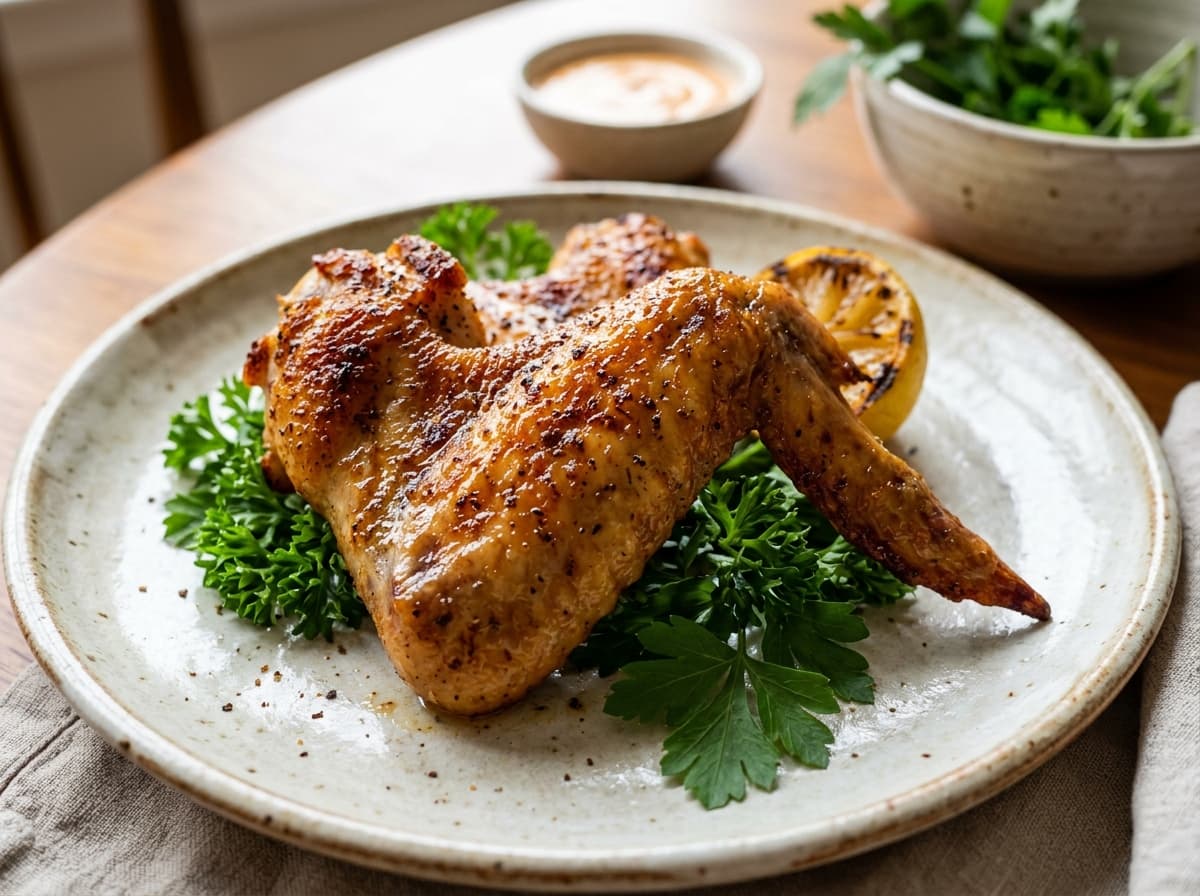
Spit-Roasted Whole Bird
Continuous horizontal spit rotation self-bastes rendering fat over the entire skin surface, creating deep flavor and succulent texture.

Shredded Skinless Breast Meat
Peeling the skin cuts 56% of total fat and 120mg of topical rub sodium. Yields ~550g of ready-to-eat lean protein from a single Costco bird.
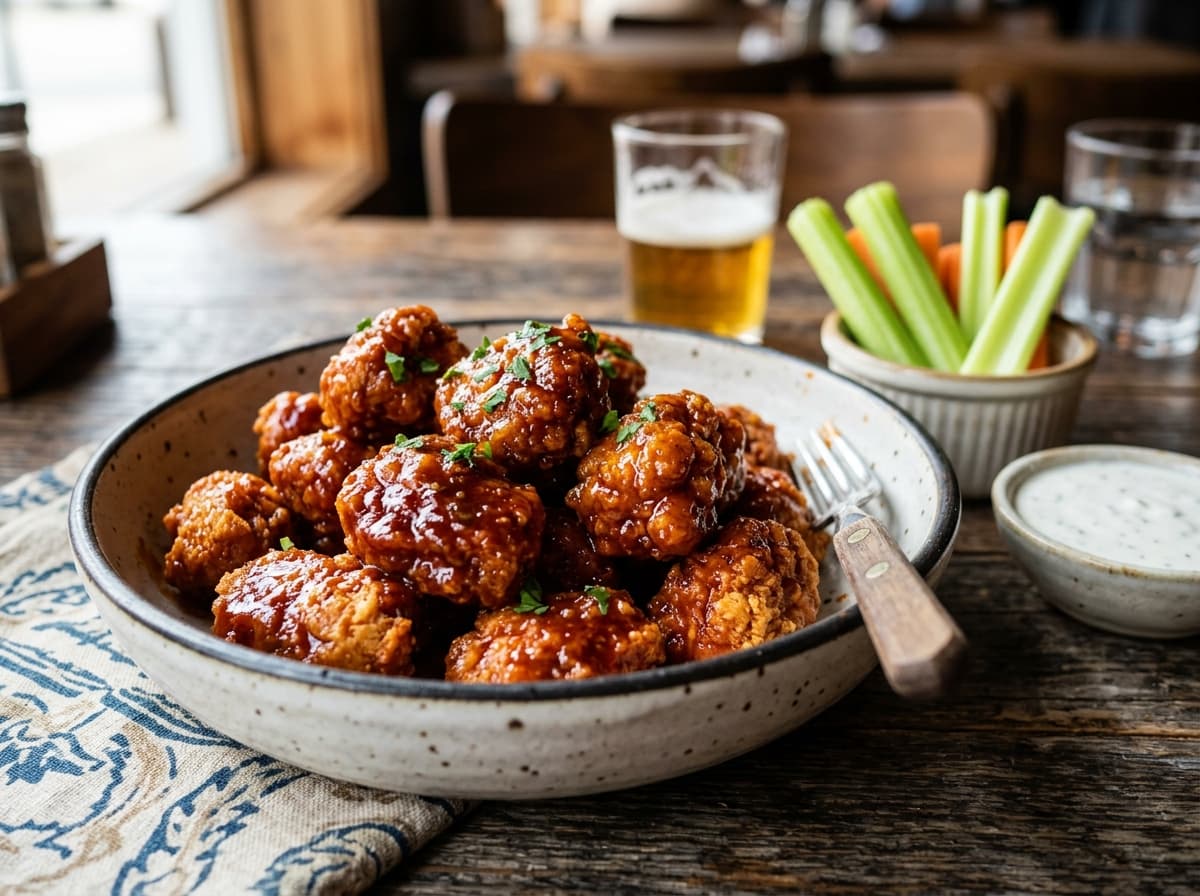
Dark Meat Quarters & Wings
Higher myoglobin and connective tissue survive grocery warmers without drying out. Wings carry the highest surface rub sodium concentration.

Zero-Waste Carcass Bone Broth
Simmering the stripped roasted carcass, spine, and joints with water and vinegar extracts 1.5 quarts of gelatin stock with zero added salt.
How to Accurately Log Rotisserie Chicken in MyFitnessPal & Cronometer
Logging rotisserie chicken as plain grilled breast can cause you to undercount sodium by 400mg to 600mg per meal and underestimate fat by up to 10g. Follow this 3-step protocol.
Weighing Stripped Meat Post-Cook
- Strip meat onto plate: Strip warm breast or thigh meat away from the carcass, discarding skin and cartilage if aiming for lean macros.
- Weigh cooked grams: Tare your scale with the plate and place the shredded meat directly on top (e.g. 150g).
- Search your app: Use "rotisserie chicken" or your store brand (e.g. Costco Kirkland). Store average with skin: ~219 kcal, ~27.3g protein, ~425mg sodium per 100g. Skinless planning est.: ~140 kcal, ~28g protein, ~390mg sodium.
- Store brand tip: If eating Costco or Sam's Club, search "Costco Rotisserie Chicken Breast" to automatically capture the warehouse's 460mg sodium brine level.
Logging Whole Quarters or Drumsticks
- Weigh gross piece before eating: Place whole quarter bird or drumstick on the scale (e.g. whole dark quarter = 390g).
- Eat your meal: Enjoy the meat and skin, leaving clean bones on your plate.
- Weigh clean bones (Tare): Place bones back on the scale (e.g. bones = 110g).
- Calculate net edible intake: 390g gross - 110g bone tare = 280g edible dark meat to log in your tracker.
If you log rotisserie chicken as generic "Grilled Chicken Breast" (USDA FDC 171477), your app assumes 74mg of sodium per 100g. In reality, commercial rotisserie chicken averages 390mg to 540mg sodium per 100g. In a standard 200g meal prep portion, you will unknowingly undercount sodium by over 800mg! Always choose rotisserie-specific database entries.
5 Ways to Lower Logged Sodium from Rotisserie Chicken
Store rotisserie stays convenient for meal prep. These five kitchen and journaling techniques help you log less sodium and fat per serving without changing the calculator design or skipping the protein you planned to track.
Peel the Outer Skin Before Portioning
Topical spice rubs, salt crusts, and glaze sugars adhere to skin. Peeling skin from a ~150g breast portion can remove ~100–130mg of logged sodium and several grams of fat while keeping lean protein grams in the meat.
Pair with Unsalted Side Dishes in Your Log
If sodium is a column you track, balance a rotisserie portion with unsalted rice, plain vegetables, or salad in the same meal entry — your app totals reflect the full plate, not the chicken alone.
Drain and Discard the Plastic Dome Juices
Liquid pooled under the bird concentrates dissolved salt and rendered fat. Lift the chicken onto a cutting board and discard container juices before weighing edible meat for your journal.
Shred & Dilute into Unsalted Batch Meals
Shred meat into a large pot of unsalted vegetable soup, grain bowl, or salad. The chicken's built-in seasoning flavors the batch so you may not need added table salt in the recipe log.
Simmer the Carcass Without Added Salt
When making stock from the stripped carcass, skip added salt — residual seasoning on bones may season the broth naturally. Log broth as a separate liquid entry if your tracker supports it.
Anatomy of a $4.99 Costco Rotisserie Chicken: True Yield & Cost
A typical Costco rotisserie bird weighs ~3.5 lb gross. Here is dissected yield math for meal-prep logging — edible meat, bone tare, and cost per pound of cooked protein.
Two large breast lobes yielding ~171g of pure complete protein with under 18g of total fat when skinless.
Two juicy thighs, drumsticks, and oysters providing ~120g of protein with rich iron and zinc.
Rib cage, spine, leg bones, and cartilage. 100% reusable for 1.5 quarts of gelatin bone broth.
$4.99 ÷ 2.45 lbs edible meat = $2.04 per pound of cooked meat, beating raw supermarket chicken breasts!
Frequently Asked Questions About Rotisserie Chicken Sodium
Detailed answers on supermarket brine injection, retailer sodium labels, skin removal for logging, carcass yield, and broth prep.
USDA FoodData Central & Food-Science Sources
Macro baselines, brine-injection research, and kitchen storage references supporting the calculator on this page.
“Chicken, broilers or fryers, breast, meat only, cooked, roasted (FDC 171477) — homemade sodium baseline” — USDA Agricultural Research Service
Key point: Plain roasted skinless breast lists ~165 kcal, ~31g protein, and ~74mg sodium per 100g — the usual control when comparing injected rotisserie labels.
“The effect of sodium tripolyphosphate and salt marination on water holding capacity and tenderness in broiler breast meat” — Poultry Science
Key point: Sodium tripolyphosphate injection increases water retention in breast muscle — relevant to why commercial birds stay moist under heat lamps.
“Effect of postchill marination on yield and quality of cooked chicken breast fillets” — Journal of Applied Poultry Research
Key point: Brine can migrate into muscle and skin layers — supports the logging note that skin removal reduces topical sodium but not all injected salt.
“Safe Minimum Internal Temperature Chart & Leftovers Storage” — USDA FSIS
Key point: Kitchen reference: refrigerate cooked poultry within 2 hours of pickup and use leftovers within 3–4 days.
“Microstructure, oil distribution and sensory properties of air-fried vs deep-fat fried poultry products” — LWT - Food Science and Technology
Key point: Peer-reviewed context on how commercial cooking methods alter fat distribution — supplementary to label-based rotisserie logging.
Related Cooking & Nutrition Guides
Explore comprehensive internal temperature charts, meal prep calculators, and grilling guides
Disclaimer
This page is for informational and nutrition-logging purposes only — a personal awareness utility, not medical or dietary advice. Retailer sodium figures are published label estimates; verify current packaging at your store. Store rotisserie averages (~219 kcal, ~27.3g protein, ~425mg sodium per 100g with skin) differ from plain home-roasted breast (FDC 171477, ~74mg sodium). I am not a doctor.