Bone-In vs. Boneless Nutrient Matrix
Edible-meat columns only — subtract bone weight when logging cooked pieces. Informational only — not medical advice.
Skin-On Roasted Thigh vs. Skinless Roasted Thigh
Typical store pairing: bone-in skin-on (FDC 173625) vs boneless skinless (FDC 172388)
Supermarket bone-in thighs are usually sold skin-on. USDA lists skin-on roasted thigh at ~232 kcal and ~14.7 g fat per 100 g edible meat (FDC 173625); skinless roasted thigh at ~179 kcal and ~8.2 g fat (FDC 172388). Bone adds weight on the scale but not calories in the edible-meat columns — skin drives most of the gap.
FDC 173625 vs FDC 172388
| Nutrient | Unit | Bone-in column | Boneless column | Delta |
|---|---|---|---|---|
| Calories | kcal | 232 | 179 | +53 kcal |
| Protein | g | 23.3 | 24.8 | 1.5g boneless |
| Protein per 100 kcal | g | 10 | 13.9 | 10 vs 13.9 |
| Total fat | g | 14.7 | 8.2 | 6.5g bone-in |
| Saturated fat | g | 4.1 | 2.3 | 1.8g bone-in |
| Iron | mg | 1.18 | 1.13 | 0.05mg |
| Zinc | mg | 1.95 | 1.92 | 0.03mg |
| Sodium | mg | 88 | 84 | 4mg |
| Bone tare (scale weight) | % | 27% | 0% | 27% inedible bone |
| Example edible $/lb | $/lb | $2.65 | $3.99 | Save $1.34/lb |
Weigh your cooked piece, eat the meat, weigh the clean bones, and log (initial − bones). Logging gross weight as boneless meat overstates calories by roughly the bone percentage (~22–28% on thighs).
What Bone Actually Changes in Your Log
Bone affects scale weight and cook time. USDA edible-meat columns ignore bone mass — skin and prep style drive the macro differences you see in apps.
Weigh bones after eating and subtract from your cooked piece weight before logging.
FDC 173625 vs 172388 on thighs shows most calorie difference comes from skin fat, not the bone.
Bone slows heat to the center. Use a thermometer — 165°F (74°C) at the thickest part.
Marrow does not soak into muscle in typical home roast times. Richness usually comes from skin fat and connective tissue near joints.
Bone-In vs. Boneless at a Glance
Side-by-side notes for food logging, grocery math, and kitchen prep. Numbers from FDC 173625, 172388, 171075, and 171477 unless noted.
| Parameter | Bone-in column | Boneless column | Logging note |
|---|---|---|---|
| What you are comparing | Bone-in packs (often skin-on) | Boneless fillets (often skinless) | Store labels bundle bone + skin together — match the FDC row to how you actually prepared the chicken. |
| Thigh calories (USDA) | ~232 kcal / 100 g (FDC 173625, skin-on) | ~179 kcal / 100 g (FDC 172388, skinless) | Skin adds fat and calories; bone itself logs as zero in edible-meat columns. |
| Breast calories (USDA) | ~197 kcal / 100 g (FDC 171075, skin-on) | ~165 kcal / 100 g (FDC 171477, skinless) | Split bone-in breast halves usually roast with skin; boneless breast is trimmed skinless. |
| Bone tare on the scale | ~22–28% thighs · ~18–22% split breast | 0% — entire weight is edible | Subtract clean bones after eating when logging by cooked weight. |
| Protein per 100 kcal (thigh pair) | ~10.0 g (skin-on) | ~13.9 g (skinless) | Higher fat in skin-on rows dilutes protein per calorie in your journal. |
| Typical cook time | 25–45 min roast/grill | 10–15 min skillet/sheet pan | Bone slows heat to the center — verify 165°F (74°C) with a thermometer. |
| Sticker vs edible $/lb | $1.99/lb sticker → ~$2.65/lb edible (75% yield) | $3.99/lb sticker → $3.99/lb edible | Example math only — rerun with your store prices and sale tags. |
| Stock from scraps | Bones can be frozen for homemade stock | No bones left on the plate | Stock is a separate soup row in your journal — not counted in the meat entry. |
Boneless fillets weigh 1:1 on the scale — what you plate is what you log. No bone subtraction step.
Bone-in skin-on pieces suit longer roasts and crisp skin. Log FDC 173625 or 171075 when skin stays on.
Divide sticker price by edible yield (≈0.75 for thighs) to compare true cost per pound of meat you actually eat.
True Cost per Pound of Edible Meat
Bone-in sticker prices look lower, but part of the pack weight is bone you discard. Use this formula at the store or in your meal-planning notes.
Bone-in $1.99/lb vs boneless $3.99/lb
- Bone-in at 75% yield: $1.99 ÷ 0.75 = $2.65/lb edible
- Boneless: $3.99 ÷ 1.00 = $3.99/lb edible
Bone-in $2.49/lb vs boneless sale $2.99/lb
- Bone-in: $2.49 ÷ 0.75 = $3.32/lb edible
- Boneless sale: $2.99/lb edible — lower true cost plus faster prep
Quick check at the shelf
Multiply the boneless price by 0.75. If bone-in costs less than that number, edible meat is cheaper on the bone-in pack. If not, boneless may be the better buy for your log and your schedule.
Cooking & Prep Notes
Practical methods for bone-in roasts and boneless quick cooks. Cook all poultry to 165°F (74°C) at the thickest part.
Cast-iron bone-in thighs
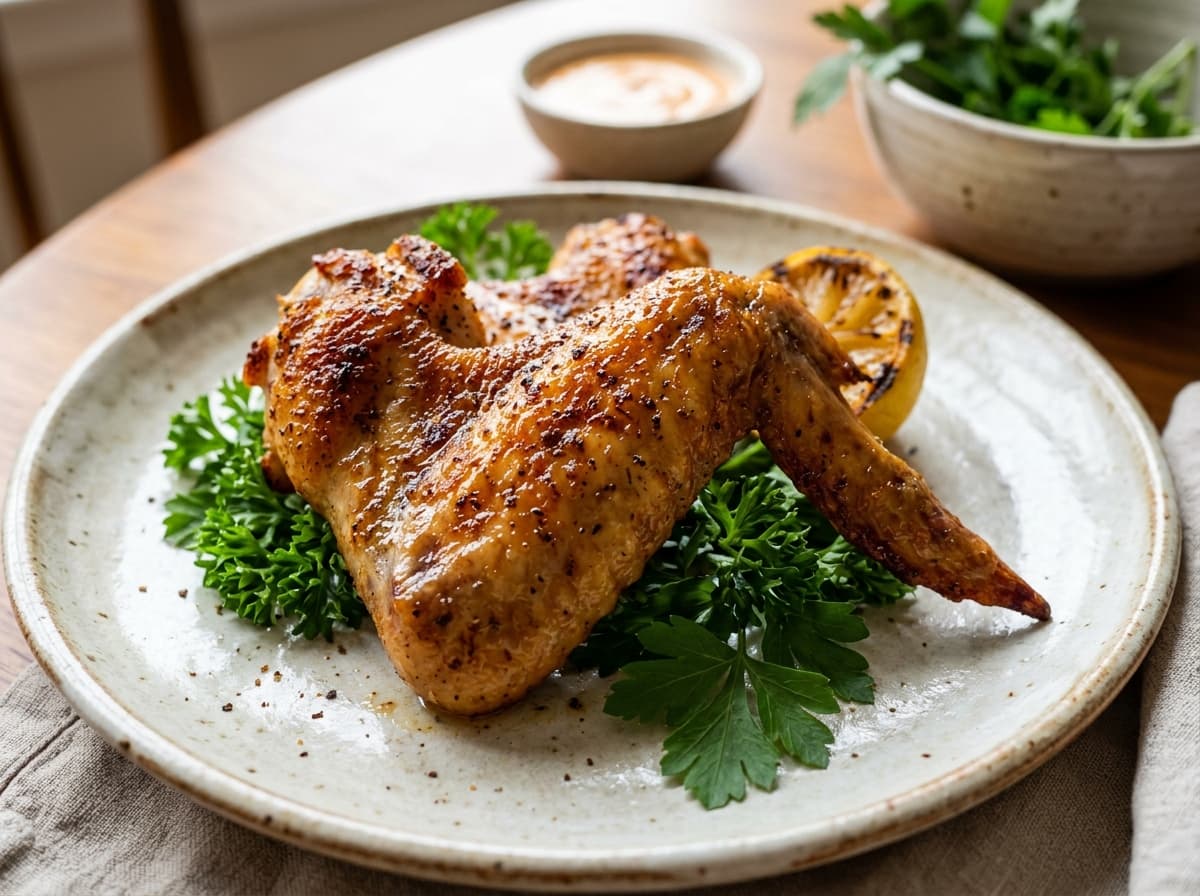
Start skin-side down in a cold cast-iron pan, render 15–18 minutes, flip, finish in a 400°F (204°C) oven until 165°F (74°C). Log as FDC 173625 if skin stays on.
Boneless flash sear
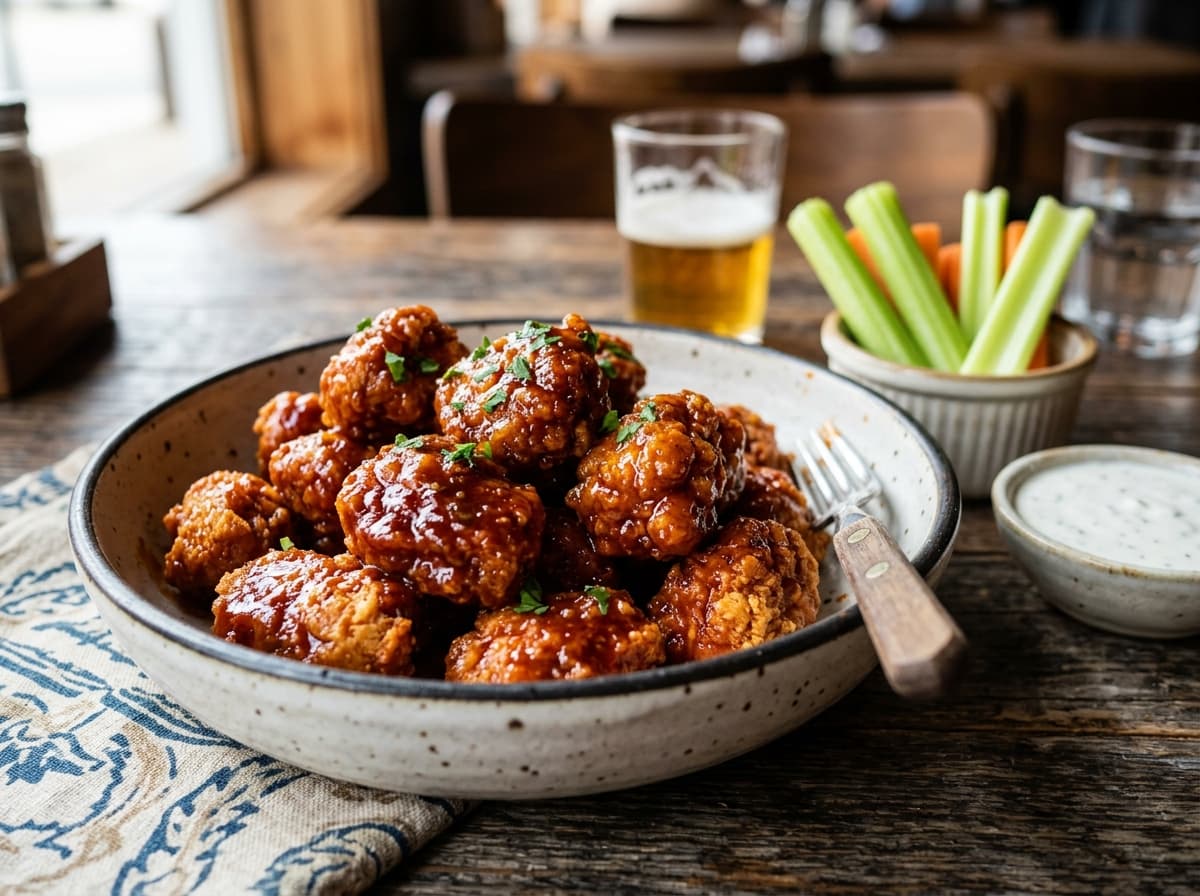
Pat boneless thighs or breast dry, sear 4–5 minutes per side in a hot skillet, pull at 165°F. Entire cooked weight logs as edible meat (FDC 172388 or 171477).
Freeze bones for stock
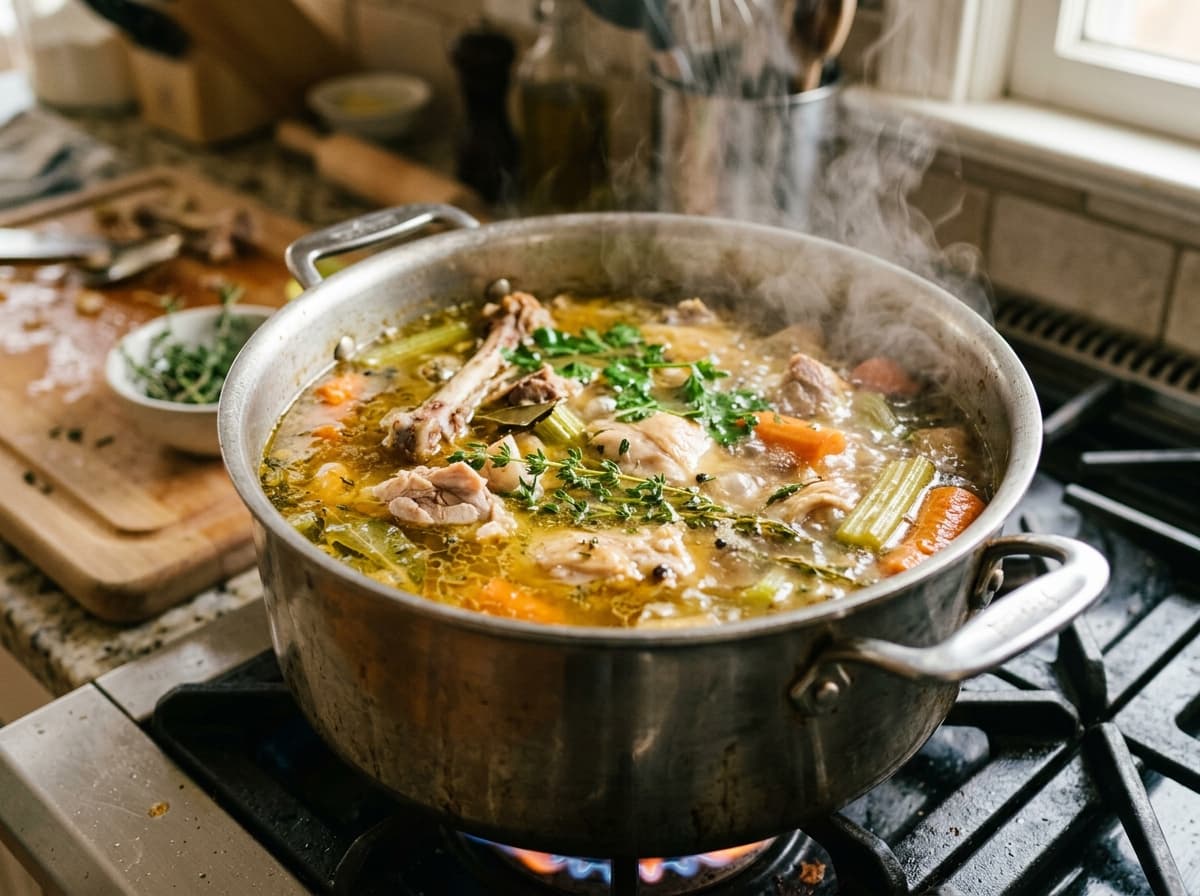
Save roasted bones in a freezer bag. Simmer with water and a splash of vinegar for several hours, strain, and log finished soup as its own entry — separate from the meat row.
When to Choose Bone-In vs. Boneless Chicken
Pick the column that matches how you shop, cook, and log — simple scale entries vs roast prep vs budget yield math.
Choose Bone-In Chicken When…
- Roasting with skin: Log FDC 173625 or 171075 when skin stays on — longer cooks suit bone-in pieces.
- Crisp skin prep: Bone-in skin-on thighs render well in cast iron or on the grill.
- Lower edible $/lb: Example: $1.99/lb bone-in ÷ 0.75 yield ≈ $2.65/lb edible vs $3.99/lb boneless sticker.
- Stock from scraps: Freeze bones for homemade stock — log soup as a separate row.
Choose Boneless Chicken When…
- Leaner FDC rows: FDC 172388 or 171477 list fewer fat grams than skin-on pairs — higher protein per 100 kcal in your journal.
- Fast weeknight cooks: Boneless strips sear in ~10–15 minutes without carving around bones.
- 1:1 scale logging: No bone subtraction — the weight on your plate is edible meat.
- Salads & meal prep: Slices cleanly into strips for containers and wraps.
Frequently Asked Questions: Bone-In vs. Boneless Chicken
Common questions about bone tare, FDC row selection, cook time, and grocery yield math.
USDA Records & Food-Science Citations
Nutrient values and yield notes are anchored to the verified records below. Informational only — not medical advice.
Chicken, broilers or fryers, thigh, meat and skin, cooked, roasted
U.S. Department of Agriculture, ARS
FDC 173625
Key finding: Skin-on roasted thigh proxy for typical bone-in skin-on packs: ~232 kcal, 23.3 g protein, 14.7 g fat per 100 g edible meat.
Chicken, broilers or fryers, thigh, meat only, cooked, roasted
U.S. Department of Agriculture, ARS
FDC 172388
Key finding: Skinless roasted thigh / boneless skinless proxy: ~179 kcal, 24.8 g protein, 8.2 g fat per 100 g.
Chicken, broilers or fryers, breast, meat and skin, cooked, roasted
U.S. Department of Agriculture, ARS
FDC 171075
Key finding: Skin-on roasted breast proxy for split bone-in halves: ~197 kcal, 29.8 g protein, 7.8 g fat per 100 g edible meat.
Chicken, broilers or fryers, breast, meat only, cooked, roasted
U.S. Department of Agriculture, ARS
FDC 171477
Key finding: Skinless roasted breast: ~165 kcal, 31 g protein, 3.6 g fat per 100 g.
Carcass composition and yield of 1957 versus 2001 broilers when fed representative 1957 and 2001 broiler diets
Havenstein, G. B., Ferket, P. R., & Qureshi, M. A.
10.1093/ps/82.10.1509 · PMID 14601726
Key finding: Broiler carcass yield reference — supports typical bone-to-meat fractions used for edible-yield math on thighs and breasts.
Effects of heat on meat proteins — implications on structure and quality of meat products
Tornberg, E.
10.1016/j.meatsci.2004.11.021 · PMID 22063740
Key finding: Food-science context for how heat changes muscle proteins and moisture during roasting — not a bone-in vs boneless nutrition comparison.
Related comparisons
Other cut and cooking-method comparisons
Related Tools
Explore more nutrition tools to help you reach your goals
Informational only — not medical advice
Nutrient figures come from USDA FoodData Central SR Legacy: FDC 173625 (skin-on roasted thigh), FDC 172388 (skinless roasted thigh), FDC 171075 (skin-on roasted breast), and FDC 171477 (skinless roasted breast), plus peer-reviewed sources cited below. Actual values vary with trim, skin left on or removed, and cooking method. Match the FDC entry to how the chicken was prepared.